
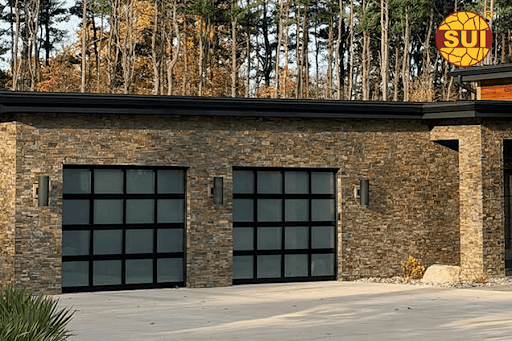
Stone cladding choices affect strength, finish, and long-term site value. Texture depth, cut accuracy, and bond strength shape how walls age over time. Weather load, joint gaps, and fixing methods also matter during install. These technical factors push builders to look beyond surface appeal. Choosing the right ledgestone importer becomes a structural decision, not just a design one. When outdoor walls are involved, ledger stone outdoor use demands even more care from the start.
Builders and contractors work under tight timelines and clear quality checks. A poor stone batch can slow work and raise costs. A strong supplier helps avoid these risks. Understanding what to check before buying helps protect the build, the client, and your margin.
Understand the Stone Type and Cut Quality
Ledgestone comes in many natural stone types. Each behaves differently during cutting and fixing. Some stones handle moisture better. Others resist heat and surface wear. A good ledgestone importer explains stone traits clearly and shares use guidance.
Cut quality matters as much as stone type. Poor cuts create uneven joints and weak bonds. This affects both look and wall strength. Contractors should inspect thickness range and back surface finish. A flat back supports better adhesion and safer installs.
For ledger stone outdoor walls, clean cuts help reduce water traps. This lowers long-term damage risk.
Check Consistency Across Batches
Many projects need stone across phases. Color and texture match become critical. A reliable ledgestone importer maintains batch control and clear labeling. This avoids mismatch issues that force rework.
Always ask how stone is sorted and packed. Random packing increases color variation risk. Controlled packing improves visual flow on large walls. Builders should request sample sets from actual stock, not display pieces.
Ledger stone outdoor projects show mismatch faster under sunlight. Consistent supply protects the final look.
Review Installation Support and Guidance
Even skilled crews benefit from clear install advice. Stone thickness, joint gap, and fixing method affect load strength. A quality ledgestone importer provides install notes that suit real site conditions.
Look for guidance on wall prep, adhesive type, and joint sealing. These steps impact bond life and safety. Lack of guidance often leads to errors on site.
Ledger stone outdoor walls need added care for drainage and expansion. Good guidance helps avoid cracks and stone drop over time.
Confirm Testing and Quality Checks
Stone should meet basic strength and durability checks. Ask if the supplier tests for water absorption and break strength. These values affect long-term wall health.
A serious ledgestone importer runs quality checks before dispatch. This reduces rejects on site and avoids delays. Builders should also inspect crates on arrival for damage or excess dust.
Ledger stone outdoor use benefits from tested stone since exposure levels stay high year-round.
Understand Supply Lead Time and Stock Depth
Project schedules depend on steady supply. Delays in stone delivery can stop work. Contractors should confirm stock depth before placing large orders. A reliable ledgestone importer keeps popular lines ready for dispatch.
Ask about restock cycles and shipment plans. This helps plan phased builds without panic buys. Stock gaps often lead to color mismatch or forced design changes.
Ledger stone outdoor walls often wrap large areas. Reliable supply keeps the look uniform.
Evaluate Packaging and Handling
Stone damage often happens after it leaves the yard. Good packaging protects edges and faces. Crate strength, padding, and stack method all matter.
A careful ledgestone importer invests in strong packaging. This lowers breakage rates and saves handling time on site. Contractors should also plan proper unloading to avoid impact damage.
Ledger stone outdoor cladding often uses longer pieces. These need extra edge support during transport.
Check Custom Options and Flexibility
Some builds need custom cuts or special finishes. Not all suppliers offer this. Ask early if size changes or finish tweaks are possible.
A flexible ledgestone importer helps builders meet design needs without sourcing from many vendors. This saves time and keeps stone matches consistent.
Ledger stone outdoor features like boundary walls or columns often need size tweaks. Supplier flexibility helps achieve clean edges.
Balance Cost with Long-Term Value
Low prices can hide future costs. Poor stone leads to repair, rework, or early failure. Builders should judge value based on quality, support, and supply reliability.
A trusted ledgestone importer helps protect project value over time. Clients notice stone quality years later, not just at handover.
Ledger stone outdoor walls face weather stress daily. Investing in quality reduces callbacks and repair costs.
Plan for Maintenance and Aging
Stone changes over time. Some stones darken. Others show surface marks. Ask how the stone ages and what care it needs.
A good ledgestone importer shares care tips and sealing advice. This helps builders guide clients after the project closes.
Ledger stone outdoor surfaces benefit from early care planning. This keeps walls looking strong and clean longer.
Conclusion
Buying stone is a technical choice with long-term impact. Builders and contractors should study stone type, cut quality, and supply control. They should confirm testing, packaging, and install guidance before placing orders. A dependable ledgestone importer supports smooth work and lasting results. For ledger stone outdoor projects, these checks matter even more due to weather exposure and load stress.
In the middle of this decision process, suppliers like Stone Universe Inc. play a steady role by offering clear product detail and consistent ledgestone supply. Their focus on quality control and practical use cases helps builders plan with confidence. When the right importer supports the build, stone walls stay strong, clean, and true to design long after project close.