
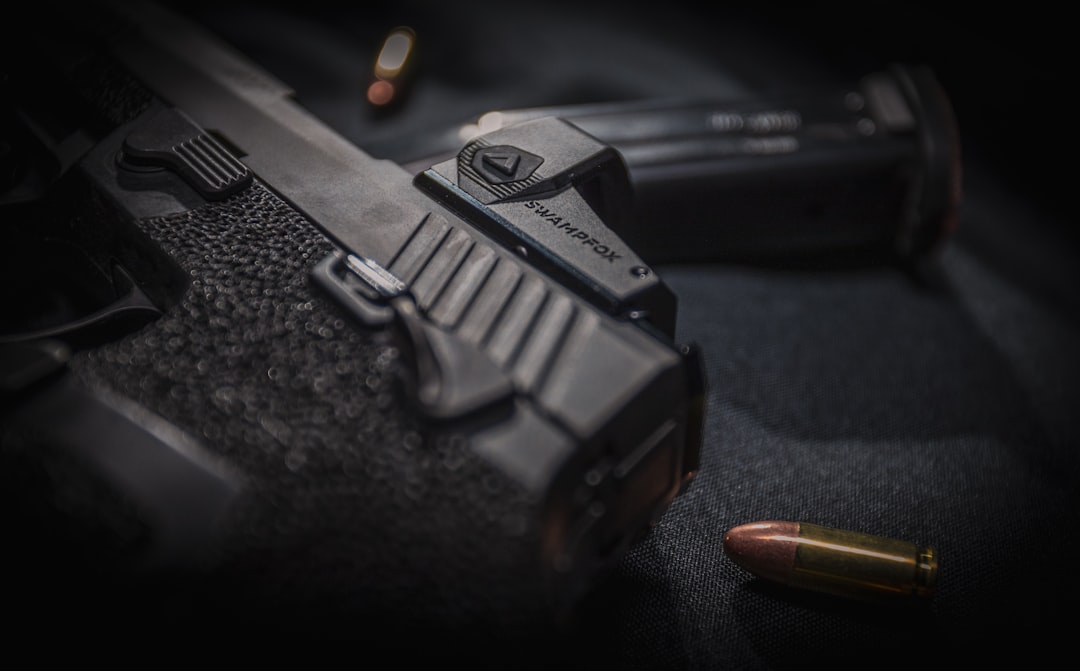
The firearms community has long recognized that the platform matters as much as the caliber. A well-supported, stable firearm simply performs differently than one fired from a free-standing grip — and that difference compounds over distance, repetition, and fatigue. The growing interest in the universal handgun conversion kit reflects a broader understanding that shooters do not always need an entirely new firearm to access a meaningfully better shooting experience. Sometimes, the right chassis around a proven pistol is all that is required.
What Problems Does a Handgun Conversion Kit Solve?
Standard pistols excel in their intended role, but they have natural limitations when used outside of close-range defensive contexts. Recoil management becomes more demanding during extended range sessions. Precision at distance requires more effort. Accessory integration is often limited to what the pistol’s frame and rail system natively support.
A conversion kit addresses each of these limitations systematically. By housing the pistol within a rigid chassis equipped with a shoulder interface, forward grip support, and expanded rail space, the kit transforms the shooting dynamic without replacing the core firearm. The result is a platform that performs well across a broader range of tasks.
How Are Conversion Kits Typically Constructed?
Most quality conversion kits use reinforced polymer, aluminum, or a combination of both materials. The chassis is engineered to accept the pistol’s barreled action, typically by removing the slide assembly from the frame and seating it directly within the kit. Some designs retain the full pistol assembly, inserting the entire firearm into the enclosure instead.
Each construction approach has its own implications for weight, balance, and the overall feel of the completed system. Shooters who prioritize a lightweight setup often favor polymer-heavy designs. Those who value rigidity and a more substantial feel tend toward aluminum-framed options. Neither approach is inherently superior — suitability depends on how and where the system will be used.
What Is the Setup Process Like for a First-Time User?
Most conversion kits are designed with straightforward assembly in mind. The process typically involves field-stripping the pistol to a defined point, seating the relevant components into the chassis, and securing the retention system. Detailed instructions accompany quality kits, and many manufacturers provide video walkthroughs to supplement the written documentation.
First-time users should perform the assembly slowly and deliberately, verifying at each step that components are properly aligned and seated. A rushed setup can lead to fitment issues that affect both function and safety. Once familiar with the process, most users find that assembly and disassembly become routine and quick.
How Does a Conversion Kit Perform at the Range?
On the range, the performance benefits of a properly fitted conversion kit become apparent quickly. Reduced muzzle rise between shots allows for faster target reacquisition. The consistent cheek weld provided by a brace or stock improves sight alignment and reduces the variability that comes with unsupported handgun shooting.
Shooters transitioning from standard pistol use often note that the kit makes their existing skill set more effective rather than requiring them to learn an entirely new technique. The fundamentals of trigger control, sight alignment, and breath management carry over directly — the kit simply provides a more stable foundation from which to apply them.
What Maintenance Considerations Come with a Conversion Kit?
Keeping a conversion kit in good working order requires attention to both the kit itself and the host pistol. The chassis should be inspected periodically for wear at the retention and interface points. Any signs of cracking, loosening, or unusual wear patterns warrant attention before continued use.
The host pistol should be maintained according to its standard cleaning and inspection schedule. Operating within a conversion kit does not change the pistol’s maintenance requirements, though it may affect how residue and carbon deposits accumulate in certain areas depending on the kit’s ventilation design.
Moving Forward with Confidence
A universal handgun conversion kit represents a thoughtful investment for shooters who want to extend the capability of a firearm they already rely on. Approaching the purchase with clear criteria — compatibility, build quality, legal compliance, and intended use — leads to a selection that delivers genuine long-term value. The right kit does not change what your pistol is. It changes what your pistol can do.