

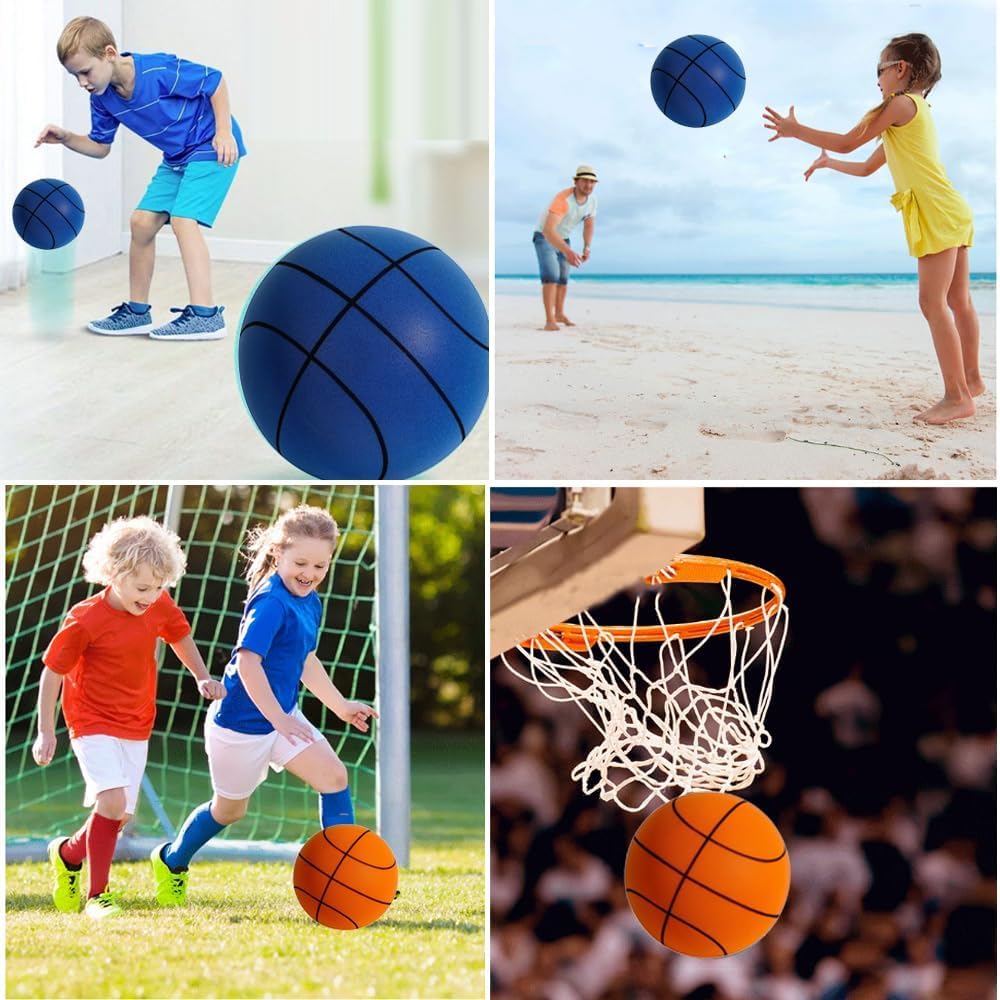
Modern football training increasingly relies on measurable outcomes, and practice equipment is evolving to support this shift. A soccer mat is no longer viewed as a basic accessory but as a structured surface designed to enhance touch, balance, and movement using repeatable drills. According to youth development studies, players who engage in structured footwork routines for just 15–20 minutes a day can improve ball control accuracy by over 25% within eight weeks. This positions the soccer mat as a practical solution for controlled, statistics-backed improvement.
How Does a Soccer Mat Improve First Touch Consistency?
First touch is one of the most analyzed technical metrics in football. Match data consistently shows that players with superior first-touch efficiency retain possession longer and reduce turnovers. A soccer mat supports this by providing marked zones and grip-controlled surfaces that encourage precise ball contact. Repetition on a consistent surface helps players reduce touch variance, a key metric in performance analysis. Training reports indicate that structured mat-based drills can lower first-touch error rates by nearly 18% compared to unstructured practice.
Can Balance Metrics Be Improved Through Mat Training?
Balance plays a critical role in shooting accuracy, passing stability, and defensive positioning. Sports performance data highlights that over 60% of technical errors under pressure are linked to poor balance rather than lack of skill. Soccer mats are designed to promote controlled weight transfer, forcing players to stabilize their core while executing movements. When athletes train balance alongside ball control, motion-capture analysis shows improved center-of-gravity control and faster recovery times after directional changes.
What Impact Does a Soccer Mat Have on Movement Efficiency?
Movement efficiency is often measured through agility tests, acceleration timing, and directional change speed. Soccer mats provide predefined pathways that simulate match-like foot patterns without the need for large spaces. Statistical comparisons between cone-based drills and mat-based drills reveal that mat users often demonstrate a 10–15% improvement in foot placement accuracy. This improvement translates directly into smoother transitions during real-game scenarios, particularly in tight spaces.
Why Is a Soccer Mat Effective for All Age Groups?
Data from grassroots academies indicates that early exposure to structured training surfaces improves long-term technical outcomes. For younger players, a soccer mat supports motor skill development by reinforcing spatial awareness and coordination. For advanced players, it offers high-frequency repetition without excessive physical load. Training load analysis shows that mat drills deliver high technical output with relatively low physical stress, making them suitable for recovery days and off-season maintenance.
How Does Indoor Training Data Support Soccer Mat Usage?
Environmental consistency is a major variable in performance measurement. Indoor mat training eliminates surface unpredictability, allowing athletes to focus purely on technique. Performance tracking reveals that players training indoors on structured mats maintain skill sharpness during adverse weather periods, with less than a 5% decline in control metrics compared to outdoor-only training groups. This consistency is valuable for year-round development.
Are Soccer Mats Aligned With Modern Training Analytics?
Today’s coaching methodologies emphasize repeatability and measurable progress. Soccer mats align with this approach by enabling standardized drills that can be timed, counted, and evaluated. Coaches often track metrics such as touches per minute, error rate, and balance recovery time. Over multiple training cycles, these data points provide clear evidence of improvement, reinforcing the mat’s role as an analytics-friendly tool.
What Do the Numbers Say About Long-Term Skill Development?
Longitudinal training data suggests that players who integrate structured footwork tools into their routine show sustained technical growth. Over a six-month period, consistent mat users demonstrate measurable gains in ball mastery, agility scores, and movement economy. These outcomes support the conclusion that a soccer mat is not just a convenience item, but a statistically supported training surface designed to enhance touch, balance, and movement in a controlled, professional manner.