
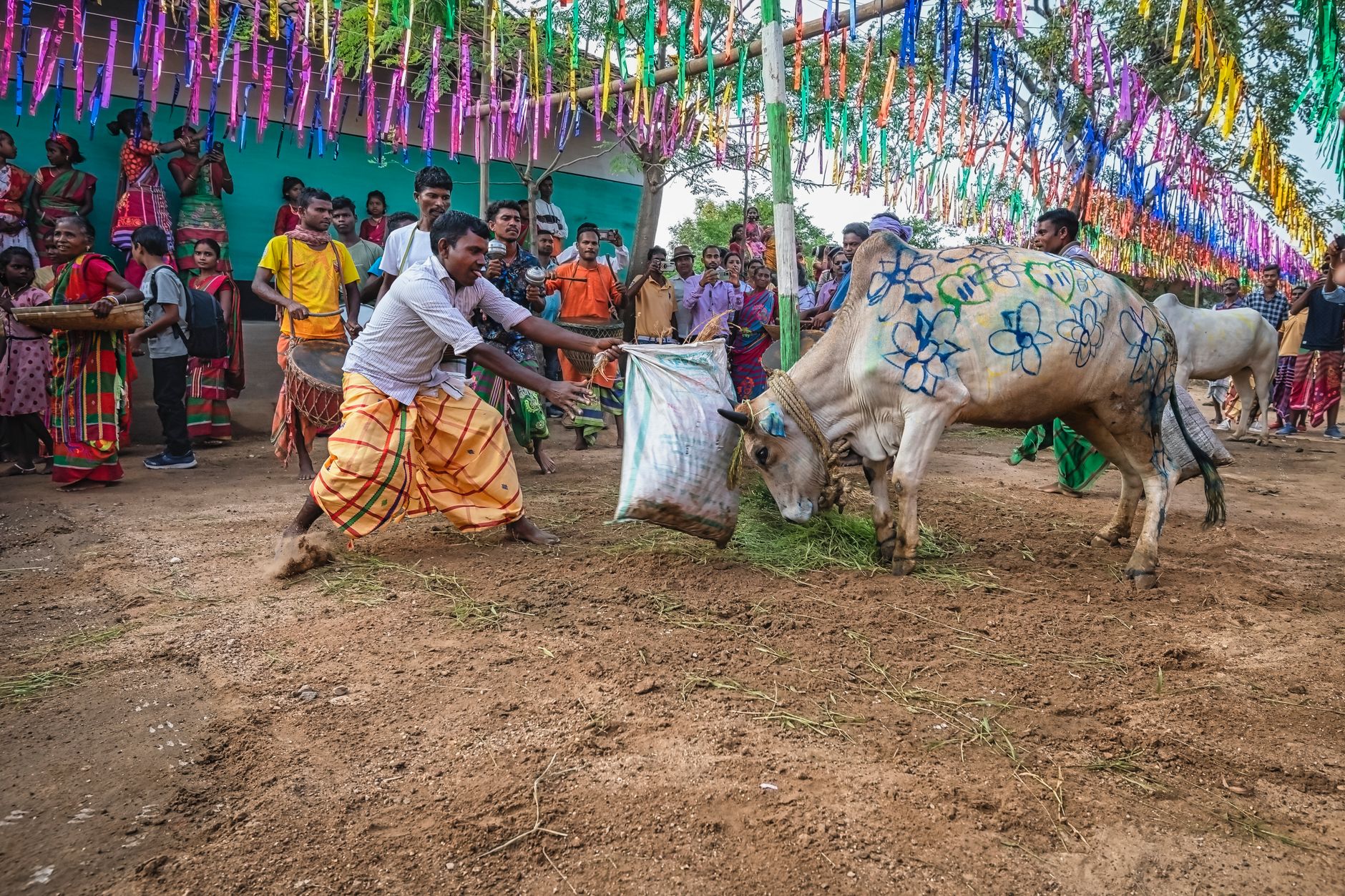
Traditional events often reflect the history, values, and shared experiences of rural communities. In southern Thailand, cattle-related customs can provide insight into agricultural life, local relationships, and regional identity. วัวชนแดนใต้.net traditions are associated with certain community gatherings where livestock ownership and inherited practices have cultural significance. These occasions demonstrate how agricultural activities can become connected with social celebrations and local heritage.
How Do Traditional Events Reflect Local Identity?
Community events help preserve customs that have developed over generations. They bring together families, farmers, visitors, and local organizers through shared activities. Conversations, traditional food, music, and cultural demonstrations create opportunities for people to celebrate their surroundings and strengthen social connections.
In some communities, cattle-related gatherings form part of this cultural environment. They may reflect the importance of livestock ownership and the relationships developed among farming families. However, traditions vary across villages, and participation is not universal throughout southern Thailand.
Why Are Cattle Important to Rural Communities?
Cattle have traditionally contributed to agricultural livelihoods in several ways. They can represent valuable household assets, provide manure for farming, and support local economic activities. Raising livestock also encourages the development of practical knowledge about feeding, breeding, shelter, and veterinary care.
Families often pass this knowledge from older generations to younger members. These lessons help preserve farming practices while teaching responsibility toward animals. Cattle ownership can therefore represent both an agricultural resource and an important part of rural identity.
What Activities Bring People Together?
Traditional gatherings may include livestock exhibitions, agricultural displays, local markets, food stalls, and cultural performances. These activities create an environment where residents can exchange experiences and introduce visitors to regional customs.
Farmers may discuss animal management and share observations about livestock health. Younger participants can learn about rural occupations and the importance of agriculture through conversations and demonstrations. Such experiences strengthen community relationships and encourage interest in local history.
How Can Traditions Respect Animal Welfare?
Cultural preservation should always include responsible livestock care. Cattle attending public gatherings need clean water, suitable transportation, shaded resting spaces, and veterinary attention when required. Animals should never be deliberately frightened, injured, or exhausted for entertainment.
Organizers and handlers should understand safe animal management and avoid overcrowding. Non-harmful demonstrations, educational presentations, and livestock exhibitions provide opportunities to recognize cultural heritage while protecting animal comfort and safety.
How Can Local Identity Be Preserved for Future Generations?
Communities can maintain their traditions by recording local stories, sharing agricultural knowledge, and encouraging younger residents to participate in suitable cultural activities. Cooperation between farmers, families, and organizers helps ensure that important customs remain meaningful.
Traditional cattle events demonstrate the relationship between agriculture, community participation, and regional identity. By combining cultural appreciation with humane livestock management, southern communities can respect their heritage while supporting responsible practices and stronger connections between generations.
What You Need to Know
- Traditional events in rural communities reflect their history, values, and shared experiences, particularly in agricultural settings like southern Thailand.
- Cattle-related customs in southern Thailand are significant for local relationships and regional identity, often celebrated through community gatherings.
- Cattle contribute to agricultural livelihoods by serving as household assets, providing manure, and supporting local economies, while also fostering practical knowledge transfer among generations.
- Activities at traditional gatherings, such as livestock exhibitions and cultural performances, facilitate community engagement and enhance knowledge of rural occupations.
- Cultural preservation in livestock events necessitates responsible animal care, ensuring cattle have access to clean water, adequate transportation, and veterinary attention.
- Maintaining traditions for future generations involves documenting local stories, sharing agricultural knowledge, and promoting youth participation in cultural activities.