
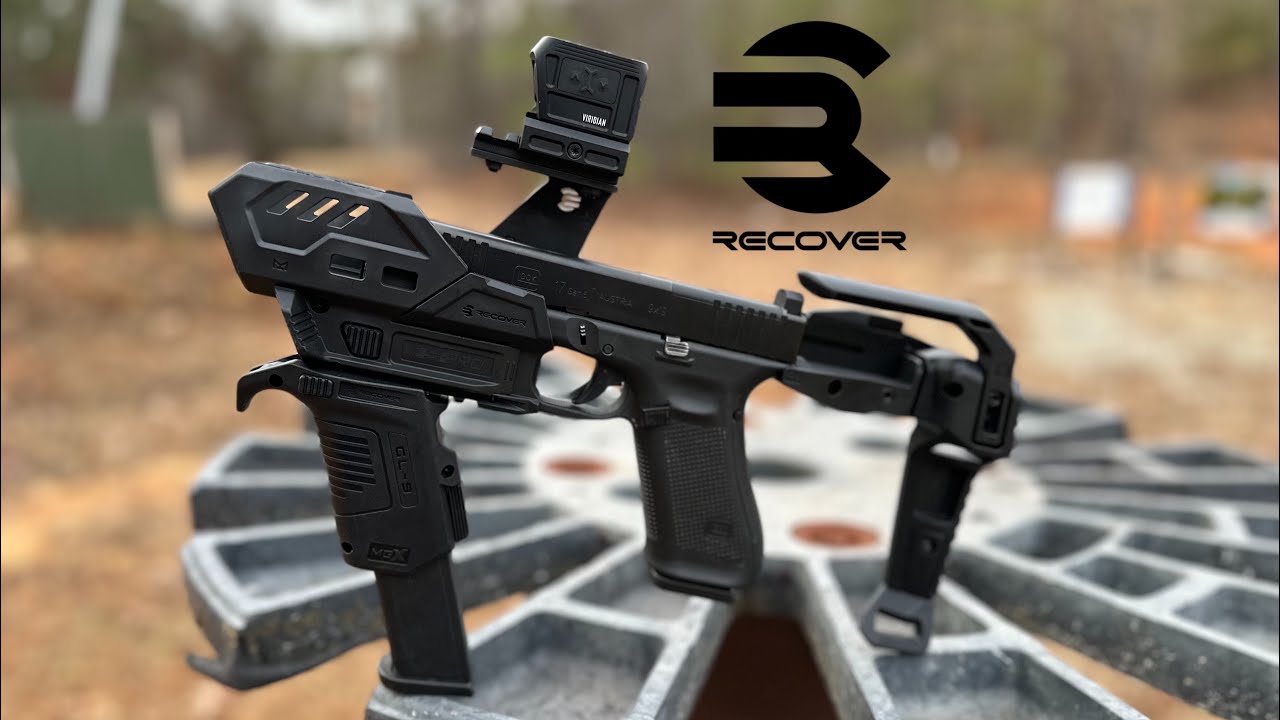
What Should Buyers Know About Modern Conversion Equipment?
Modern firearm accessories are often evaluated through a combination of design, compatibility, materials, and documented specifications. A glock conversion kit represents a specialized product category that attracts interest from consumers researching alternative firearm configurations and accessory options. Understanding the product’s stated purpose, manufacturer information, and compatibility requirements helps buyers approach their research systematically. A statistics-focused evaluation also encourages attention to measurable details, including dimensions, weight, component counts, and other specifications that can be verified through official product documentation.
Why Are Product Specifications Important When Comparing Options?
Product specifications provide a consistent framework for understanding specialized equipment. Rather than relying entirely on appearance or promotional descriptions, buyers can examine measurable characteristics and documented features.
Common specification categories include overall dimensions, listed weight, construction materials, included components, and supported firearm models. Each detail contributes to a more complete product profile. When comparing products, using the same measurement units and specification categories makes the information easier to interpret.
Reliable figures should always come from published manufacturer documentation. This approach supports accurate comparisons while helping readers distinguish confirmed measurements from estimates or general descriptions.
What Information Is Available About the MX1 Conversion Kit?
The MX1 conversion kit is a dedicated product featured by Meta Tactical. Readers researching this product can begin by identifying its official model designation and reviewing the specifications associated with that exact configuration.
Product identification matters because equipment within the same category may differ in dimensions, included components, and compatibility requirements. Reviewing the manufacturer’s description provides a foundation for understanding the product’s intended application.
For a data-oriented assessment, useful information includes the stated materials, product dimensions, weight, included parts, supported models, and any published technical documentation. Each figure should be recorded accurately, with unavailable measurements left unconfirmed rather than estimated.
How Can Buyers Assess Compatibility Through Documented Data?
Compatibility is one of the central considerations when evaluating firearm accessories. A product’s general category does not establish compatibility with every firearm model or configuration.
Buyers should examine the manufacturer’s supported-model information and compare it with the exact firearm designation under consideration. Model names, generations, and configuration details can be important when interpreting technical specifications.
A practical compatibility review focuses on documented information instead of assumptions. Clear model identification, published requirements, and confirmation of applicable restrictions help consumers make informed purchasing decisions.
Which Measurements Help Create a Clear Product Profile?
Several measurable characteristics can make a product description more informative. Dimensions explain the physical size of the equipment, while weight provides additional context about its overall construction. Material descriptions identify the substances specified by the manufacturer, and component lists clarify what is included with the product.
Where reliable figures are available, buyers can organize them into a simple specification table for easier review. Measurements should retain their original units or be converted consistently. Missing values should remain unreported until verified.
This method improves readability and makes technical information more useful for consumers who prefer evidence-based product research.
How Does Accurate Documentation Improve Purchasing Confidence?
Accurate documentation helps readers understand the distinction between verified features and general product claims. It also makes it easier to identify important questions before completing a purchase.
Manufacturer specifications, product identification details, compatibility statements, and support information all contribute to a well-rounded assessment. Buyers benefit when descriptions are clear, measurements are consistent, and technical terminology is explained in accessible language.
Responsible ownership also involves understanding relevant laws, storage expectations, and manufacturer guidance. These considerations complement technical research and support a more informed approach to specialized equipment.
Conclusion: A Data-Driven Approach to Conversion Kit Research
Evaluating the MX1 conversion kit begins with a clear understanding of its documented specifications, intended compatibility, and listed components. Measurable details provide a useful framework for organizing product information, while accurate manufacturer documentation helps establish a reliable foundation for comparison.
By prioritizing verified figures, consistent measurements, and precise model identification, readers can develop a more complete understanding of specialized firearm accessories. A professional, data-focused approach supports informed decisions, responsible ownership, and a clearer appreciation of product design and specifications.

